
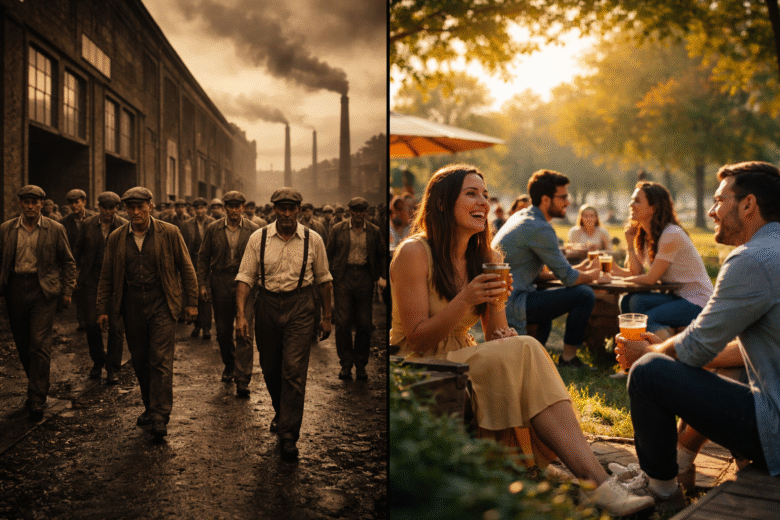
Fun fact: The two-day weekend you look forward to every week is a relatively recent invention—less than a century old in its modern form.
“The Curious History of the Weekend” sounds simple at first. Almost comforting. Like something that has always been there, quietly waiting at the end of every week.
But it hasn’t.
The weekend is not a natural part of life. It is something we built—slowly, unevenly, and not always for the reasons we like to believe. It came out of religion, labour struggles, and, interestingly, business interests. And somewhere along the way, it turned into something we chase all week… only to feel it slip away too quickly.
So maybe the better question is not when the weekend began—but what it has quietly become.
Before the idea of a weekend existed, life did not follow neat boxes of “workdays” and “off days.” People worked when there was work to be done. In farming communities, that meant long, unpredictable days shaped by seasons, weather, and survival itself. Rest wasn’t planned—it simply appeared when it could.
Then came religion, and with it, the first real pause in the week.
For many communities, one day was set aside as sacred. A day not meant for work, but for prayer and reflection. It wasn’t leisure in the way we think of it now. It had meaning, structure, and a kind of discipline to it. Still, it introduced something new—the idea that time could be divided, that one day could belong to something other than labour.
But the real shift came much later, when machines began to define how people lived.
The Industrial Revolution did more than change industries—it changed time. Work became fixed. Hours became controlled. And for workers, the week often stretched across six long, exhausting days. Sunday remained, mostly because it was deeply tied to religious practice, but the rest of the week was tightly held by factories.
It’s easy to imagine this change as dramatic and immediate, but it wasn’t. It was slow. Almost reluctant.
Workers began to push back, not with sudden revolutions at first, but with steady pressure. Long hours meant fatigue. Fatigue meant mistakes. And mistakes cost money. Employers began to notice something they hadn’t expected—rest wasn’t just good for workers, it was useful for business.
Saturday started to loosen.
At first, it became a half-day. It was a minor change on the surface, but it carried real weight. It gave people a little more breathing space, and in some cases, allowed different religious practices to coexist within the same work system.
And then something even more interesting happened.
People started using that extra time not just to rest, but to live. They went out. They spent money. They participated in a growing culture of leisure. Suddenly, free time wasn’t just a break—it was part of the economy.
The two-day weekend, as we know it today, grew out of that realisation. It wasn’t simply granted; it made sense to the system itself.
In India, the story followed a slightly different path. The idea of a weekly day off came through colonial structures, where Sunday was observed in offices and institutions. But for a long time, Saturday remained a working day. Even now, the experience of the weekend is uneven. For many people, especially those in informal work, the idea of two days off is still more of a concept than a reality.
Which makes the weekend feel less universal than we often assume.
And then there is the version of the weekend we live with today.
On paper, it looks like freedom. Two days set aside, clearly marked, waiting to be used however we choose.
But in practice, it feels more complicated.
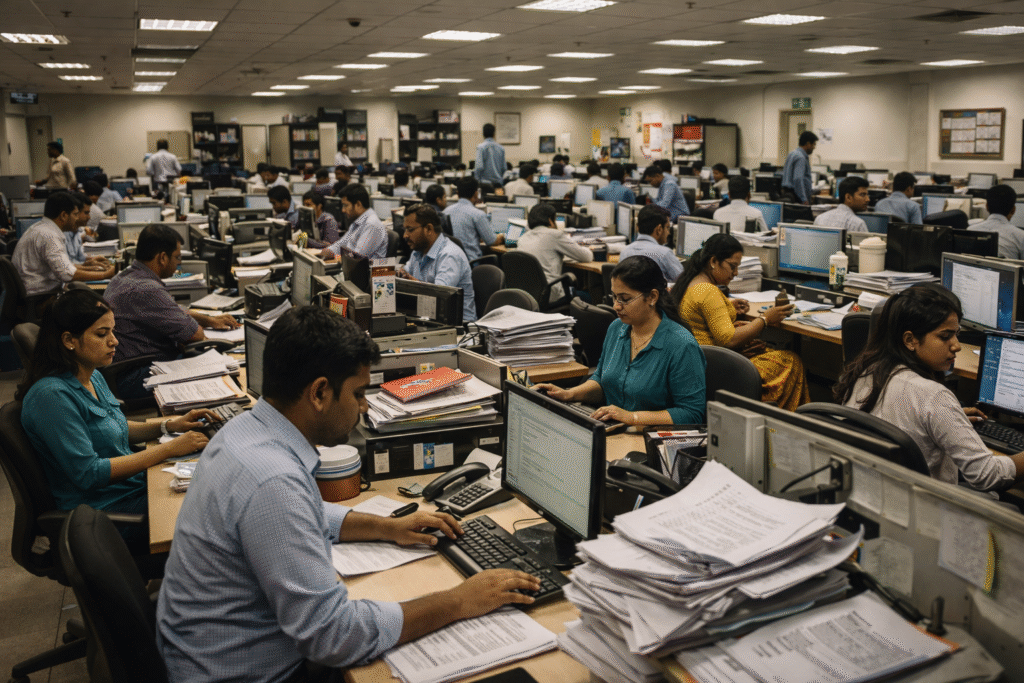
Saturday begins with intention. You tell yourself this time will be different—that you will rest, slow down, maybe even do nothing for a while. But the space fills up quickly. Tasks that didn’t fit into the week quietly spill over. Messages appear. Plans form. The day moves faster than expected.
Sunday carries a different kind of weight. It’s quieter, but not entirely peaceful. There’s a subtle awareness in the background that the week is returning. Y You may not put it into words, but it sits there quietly, unmistakable. The mind begins to prepare even before the body has had a chance to fully rest.
And somewhere between these two days, the weekend starts to feel less like a pause and more like a transition.
There’s also something else, something harder to notice.
When there is finally nothing urgent to do, many of us don’t quite know how to sit with it. The stillness feels unfamiliar. Almost uncomfortable. As if time without purpose needs to be justified.
So we fill it.
Not always because we have to, but because we don’t know what else to do with it.
The weekend, which was once shaped to give relief from work, now sometimes carries its own quiet pressure—to be used well, to be productive in a different way, to somehow make it count.
And yet, if you step back for a moment, there’s a strange irony here.
The weekend was designed to give people just enough rest to continue, not enough to completely step away. It allows recovery, but keeps the rhythm intact. And if you ever do manage to fully disconnect, even briefly, you might notice something shifting. Questions begin to surface—about the way time is structured, about why work holds so much weight in our lives.
Those questions don’t always have clear answers. But they linger.
Conclusion
“The Curious History of the Weekend” is not just about how two days came into existence. It is about how those two days were shaped—first by belief, then by labour, and eventually by economics.
What we experience today is the result of all those layers.
And yet, for something so carefully built, the weekend still feels slightly out of reach. We wait for it. We depend on it. But we don’t always arrive in it fully.
Maybe the weekend was never meant to be perfect.
But maybe it was meant to be simpler than what we have turned it into.
Author’s Note
There’s something quietly revealing about the way we talk about weekends—how we wait for them, plan them, sometimes even recover from them. Writing this made me pause and notice how rarely we question the shape of our time, even when it feels slightly misaligned. I don’t think the weekend needs fixing. But I do think it needs noticing. And maybe that’s where writing begins—not in answers, but in attention.
G.C., Ecosociosphere contributor.



Comments
555