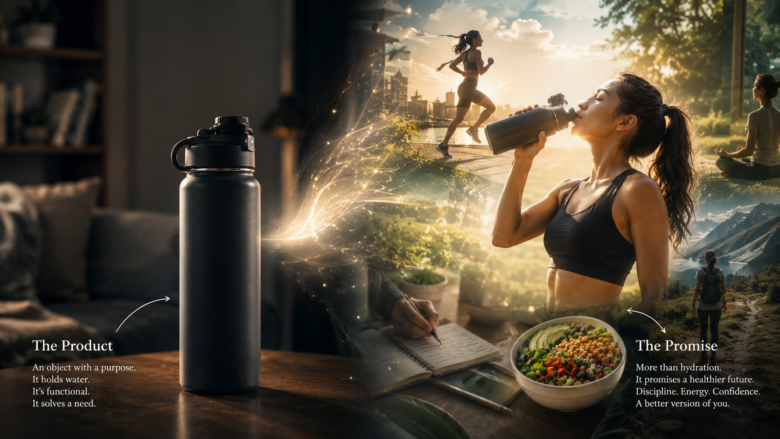
Not long ago, people mostly bought things because they needed them. A coat kept you warm. A chair gave you somewhere to sit. A notebook held your thoughts. Of course, objects have always carried meanings beyond their practical purpose, but those meanings usually remained in the background. Today something feels different. Increasingly, products are being …
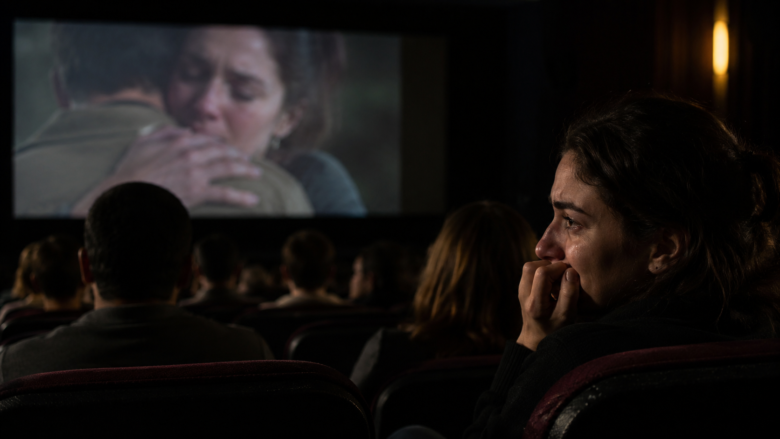
There is something slightly embarrassing about crying during a movie. Not during documentaries. Not during footage of real suffering. But during scenes involving people who do not exist, in worlds that were carefully written by strangers, lit by studio lights, edited with music, and performed on a set surrounded by cameras and microphones. You sit …
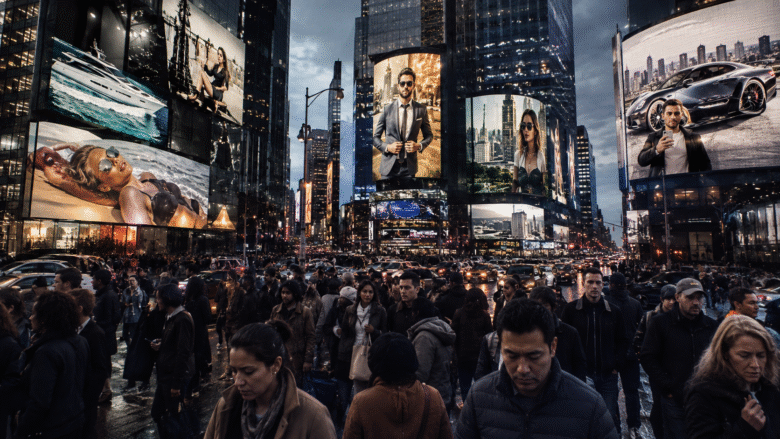
Fun fact: researchers studying urban design have found that major cities across the world are increasingly using the same architectural styles, chain stores, and “Instagram-friendly” spaces — to the point where travellers sometimes struggle to identify which country they are in from photographs alone. There was a time when arriving somewhere new genuinely felt like …
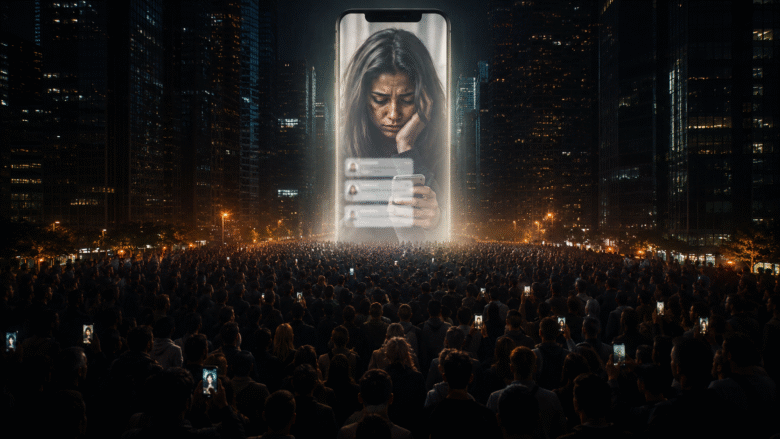
A study published by researchers at Harvard University found that outrage spreads faster online than many positive emotions because anger makes people feel morally important for a brief moment. A few years ago, humiliation was local. Someone embarrassed themselves in a classroom, office, or family gathering, and eventually, life moved on. Today, humiliation has become …
The average human being today probably compares themselves to more people in one day than their ancestors did in an entire lifetime. That single fact explains a lot about why “Nobody Wants to Be Average Anymore” feels less like a trend and more like a psychological emergency unfolding quietly in public. Somewhere in the last …
Fun fact: The two-day weekend you look forward to every week is a relatively recent invention—less than a century old in its modern form. “The Curious History of the Weekend” sounds simple at first. Almost comforting. Like something that has always been there, quietly waiting at the end of every week. But it hasn’t. The …
Fun fact: Your brain is wired to remember emotional moments more strongly than ordinary ones—which is why a random childhood game can stay with you longer than yesterday’s entire day. “Why Adults Suddenly Become Nostalgic for Childhood Games” isn’t just a topic—it’s that quiet feeling that hits you out of nowhere. Maybe while cleaning a …
Fun fact: Even the most social person you know probably has only 3–5 people they can call at 2 a.m. without hesitation. The Curious Science of Friendship Circles sounds like something you’d expect in a textbook—but step outside for a moment, and you’ll see it playing out everywhere. At a chai stall. In a classroom. …
Fun fact: the complaint that “young people are lazy” is more than 2,000 years old—ancient philosophers were already grumbling about the next generation long before smartphones or social media existed. That makes the modern debate around youth culture strangely familiar. Open any social media comment section, scroll through opinion columns, or listen to a family …
Fun fact: Scientists have found that most people form their strongest musical memories between the ages of 12 and 22. If you play a song from your teenage years, something strange happens. Your brain doesn’t just hear music—it opens a door. Suddenly, you are back in a classroom corridor, a bus ride home, a first …