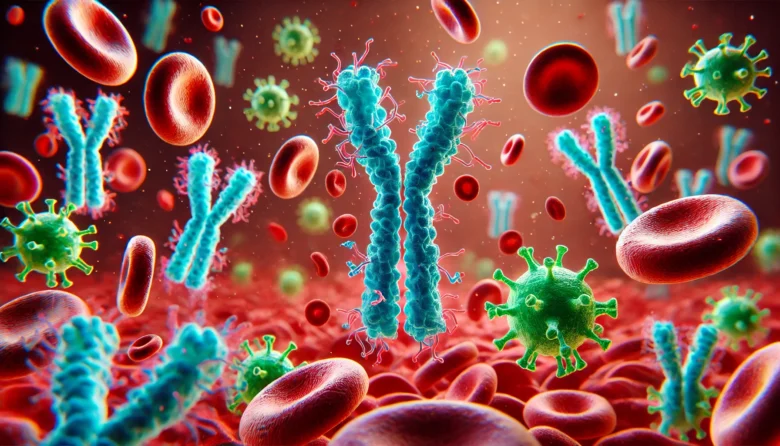
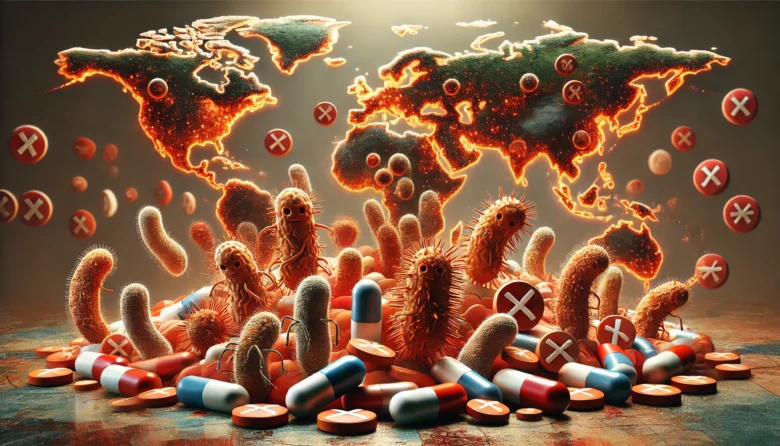
Fun Fact: Did you know that the discovery of antibiotics was actually an accident? In 1928, Alexander Fleming discovered penicillin by accident after noticing that mould had developed in one of his Petri dishes, destroying the nearby bacterial colonies. Antibiotics have revolutionized modern medicine, allowing us to combat deadly infections and diseases effectively. But alongside …
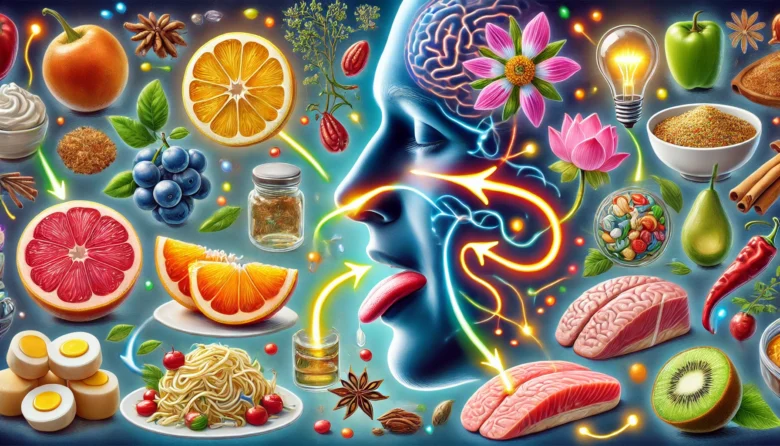
Fun Fact: Did you know that up to 80% of what we perceive as taste is actually due to our sense of smell? We often take our senses of taste and smell for granted, but they play a vital role in how we experience the world around us. Whether it’s the comforting aroma of spices …
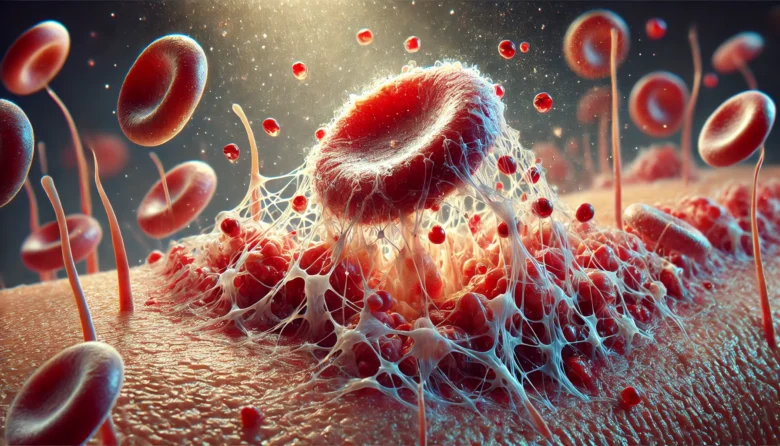
Fun Fact: Did you know that the process that stops your bleeding is a chemical reaction that takes only minutes to start, but it took scientists centuries to fully understand? Imagine you scrape your knee, and in no time, the bleeding stops. Ever wondered how your body manages this? It’s all thanks to an incredible …
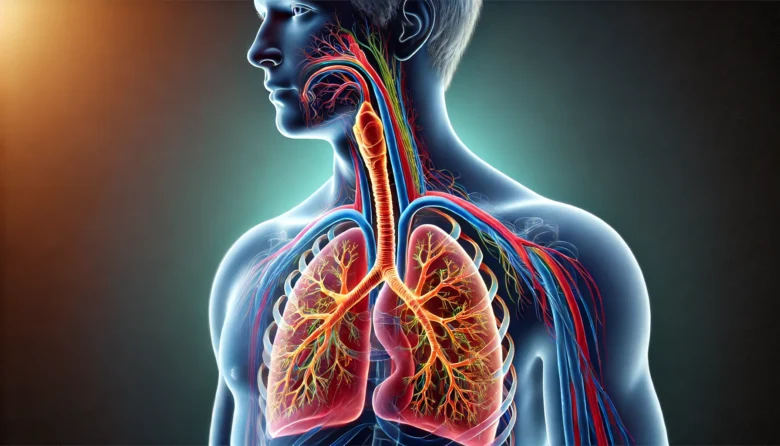
Fun Fact: Did you know that, on average, a person inhales around 11,000 litres of air daily? Breathing is something we all do effortlessly, yet the science behind it is incredibly fascinating. The physics of respiratory function involves a delicate balance of pressures, volumes, and flows that keep us alive every second of the day. …
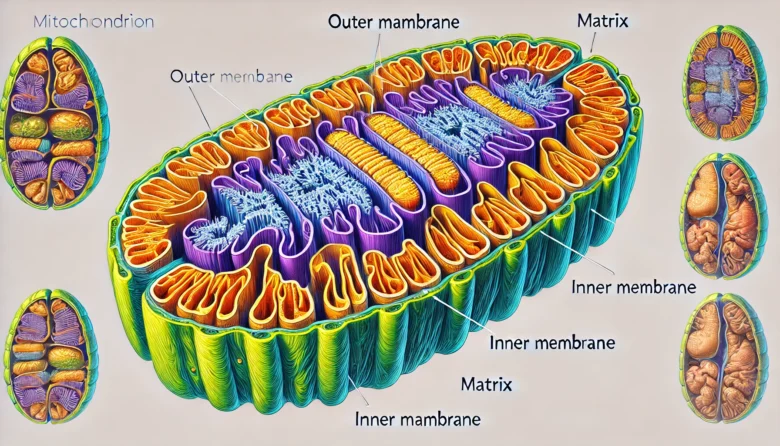
Fun Fact: Several thousand mitochondria work in a single heart muscle cell, whereas up to 100,000 work in a mature egg cell. Relative to their weight, they produce 10,000–50,000 times more energy than the sun—energy in the form of adenosine triphosphate (ATP). When you think about energy production, you might picture power plants or solar …
Have you ever wondered why some people can eat peanuts without any issues while others have a life-threatening allergic reaction? Or why do certain individuals develop chronic diseases where their immune system attacks their own body? These conditions fall under the fascinating yet complex realm of allergies and autoimmune diseases. In this blog, we’ll explore the science …
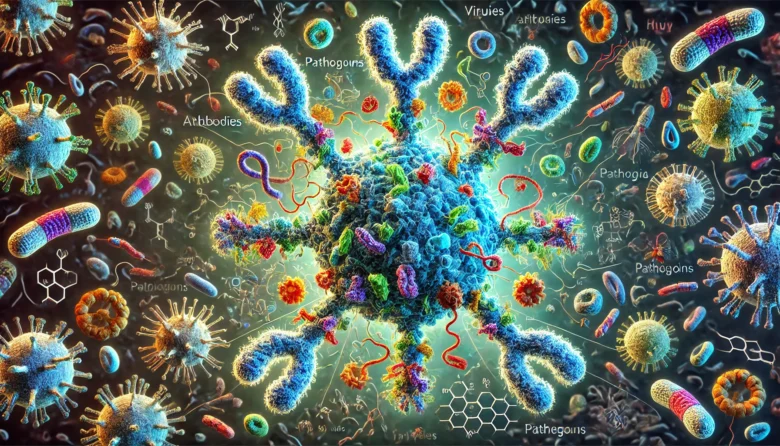
Our immune system is like a complex, highly organized army that protects our body from harmful invaders. At the heart of this defense system are molecules known as antibodies, which play a critical role in identifying and neutralizing threats like viruses and bacteria. Understanding the chemistry of antibodies and immune responses offers fascinating insights into …
Human reproduction is one of the most awe-inspiring processes in biology, representing the continuation of life itself. Understanding the science of human reproduction—from the moment of fertilization to the birth of a baby—can give us insights into the incredible journey that every person experiences even before entering the world. In this blog, we’ll dive into …
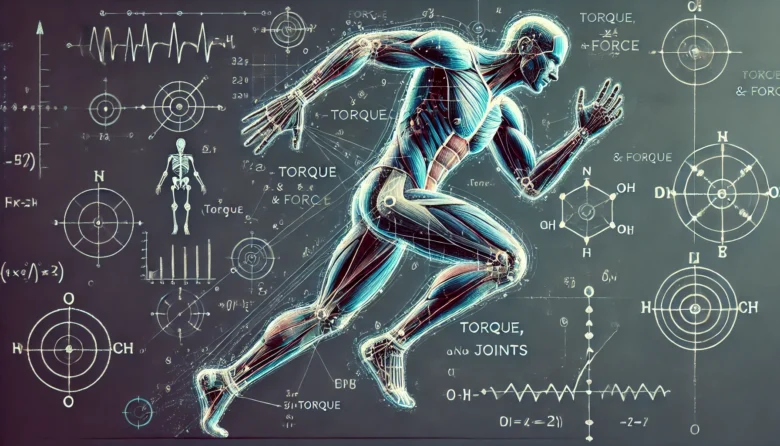
Have you ever thought about how your body moves? Whether you’re lifting weights, running, or even typing on a keyboard, every action is powered by a complex system involving both biology and physics. This blog will explore The Physics of Muscular Contraction and Movement, explaining how forces, energy, and motion come together to make even …
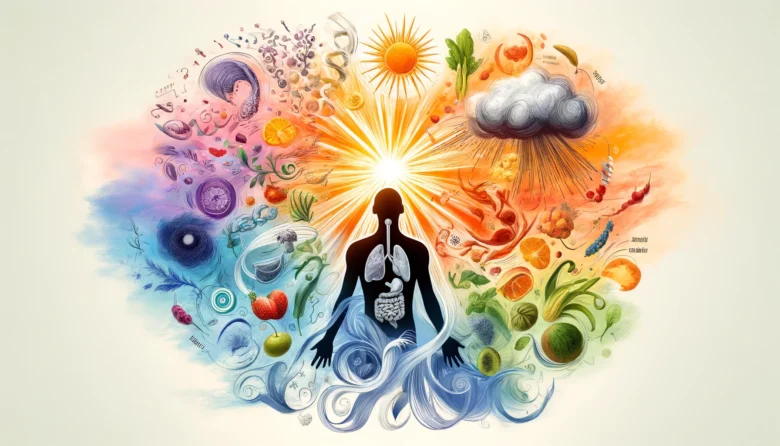
In recent years, scientists and health professionals alike have been intrigued by a fascinating question: Why do identical twins, who share the same genetic code, sometimes develop different traits or health conditions? The answer lies in gene expression, influenced by environmental factors. This blog will explore how our surroundings can affect the way our genes …