Science

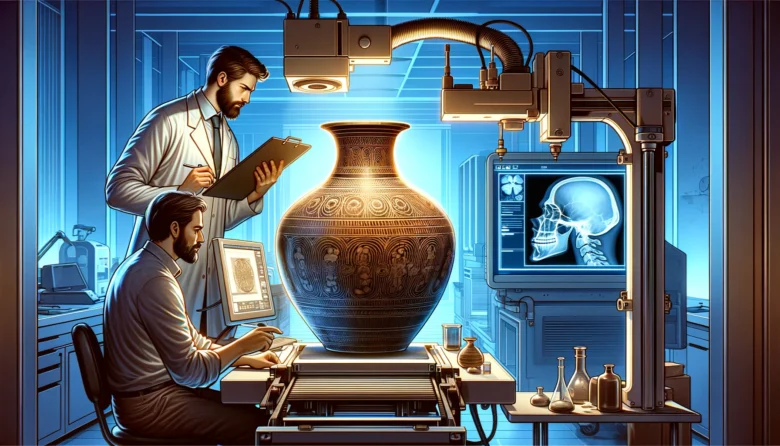
Physics Unlocks Archaeological History

Have you ever wondered how scientists peel back the layers of time to read the stories hidden in ancient artifacts? In today’s high-tech world, physicists are increasingly becoming the unsung heroes of archaeology. With tools that seem straight out of a sci-fi novel—like X-rays and particle accelerators—researchers are revealing secrets that have been locked away …

1952: The Year Surgery Redefined Parkinson’s Disease Treatment

Parkinson’s disease, a neurodegenerative disorder that affects movement, has long puzzled and challenged the medical community. Characterized by tremors, stiffness, and slowed movement, its impact on patients is profound. Before the 1960s, options for managing this condition were limited and often ineffective. This blog takes you back to 1952, a pivotal year that marked an …

Brain Adaptation: Neuroplasticity Unveiled

Neuroplasticity, a term that has captivated the field of neuroscience, refers to the brain’s remarkable ability to reorganize and adapt its structure and function throughout an individual’s life. This adaptive capacity allows the brain to form new neural connections in response to learning, experience, and even injury. The concept of neuroplasticity challenges the long-held belief …

Plant Communication: Nature’s Whispers

Plants, often perceived as silent and static, are actually active communicators, engaging in complex interactions with their environment and fellow organisms through chemical signals. This subtle and sophisticated form of communication allows plants to convey vital information about their needs, threats, and the state of their surroundings. The study of these chemical signals opens a …