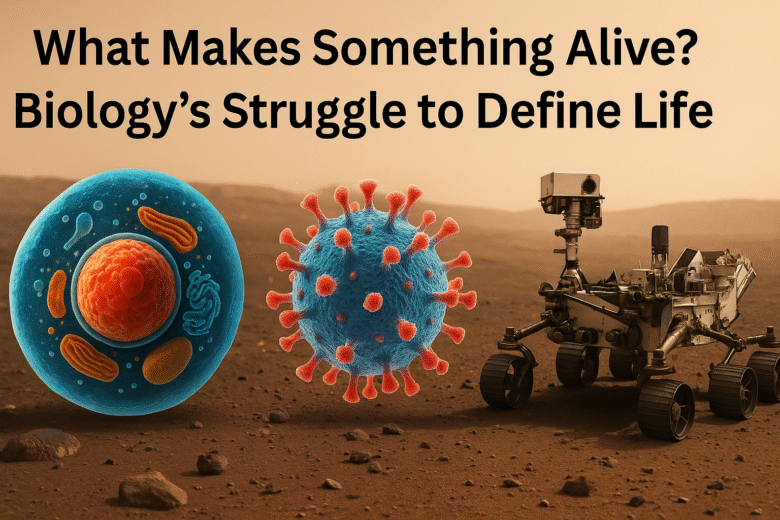
Fun fact: Viruses, which cause everything from the common cold to COVID-19 (Coronavirus Disease 2019), are not technically considered “alive” by many biologists. It seems like the simplest question in science: what makes something alive? We all think we know the answer. Dogs are alive. Rocks are not. Plants are alive. Plastic is not. But …
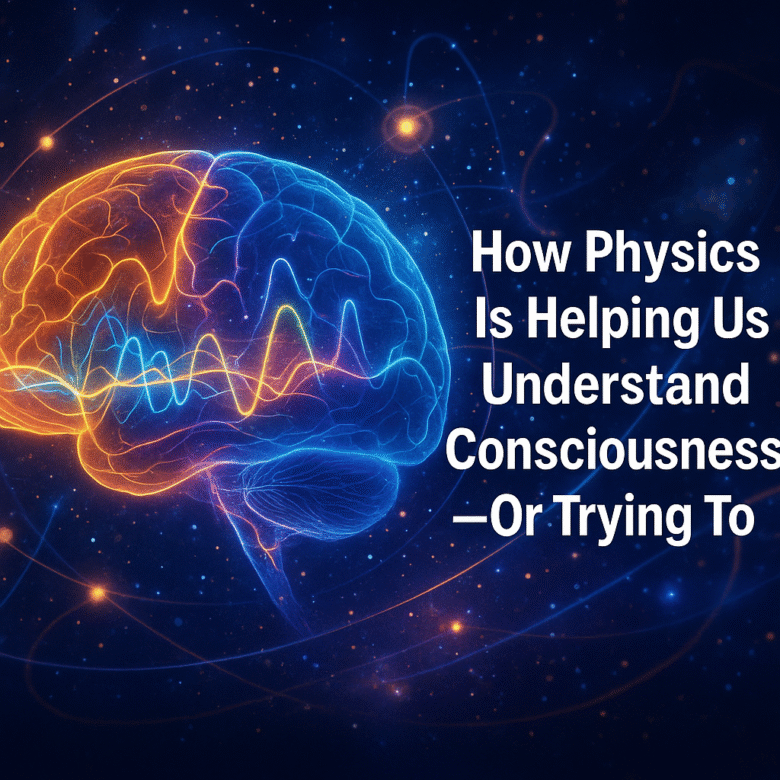
Fun fact: Physicist Roger Penrose, who won the Nobel Prize for black hole research, has also proposed a theory linking quantum physics to human consciousness. For centuries, philosophers and poets wrestled with the mystery of consciousness—the vivid, private experience of being alive. What makes the light “on” in your head? Why do neurons firing in …
Fun fact: Elephants, despite weighing up to 6,000 kilograms and having trillions more cells than humans, almost never get cancer. Why do some animals seem to live longer, healthier lives than we do, almost thumbing their noses at cancer while humans spend billions fighting it? This paradox is at the heart of the question: Why …
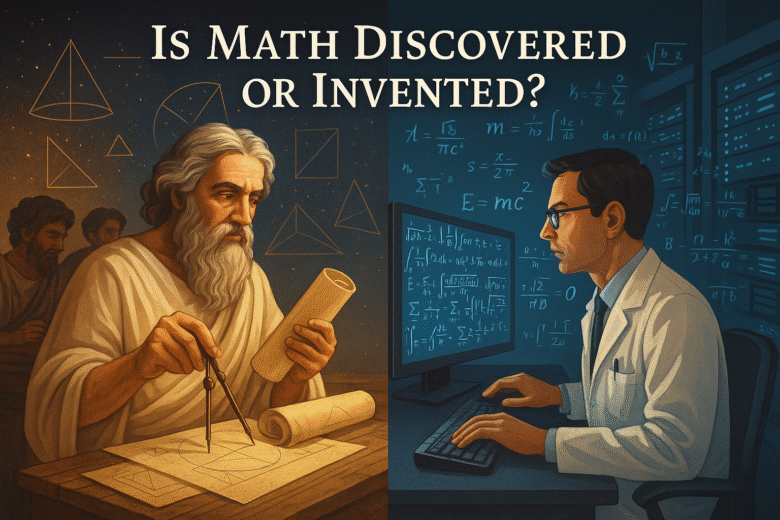
Fun fact: The ancient Babylonians calculated the value of π (pi) to four decimal places—without calculators, electricity, or even the number zero. Is mathematics something we find out there in the universe, like explorers stumbling upon a hidden island? Or is it something we make up, a clever set of rules humans invented to make …
Fun fact: In India, some tribal communities still use snake stones—porous black stones believed to absorb venom—for treating snakebites, and now researchers are taking a second look at why they might work. Imagine this: a man in rural Chhattisgarh is bitten by a snake. His family rushes him not to the nearest hospital, but to …
Fun fact: The Brihadeeswarar Temple in Tamil Nadu, built over 1000 years ago, has withstood six recorded earthquakes—without a single crack. In an age where high-rises sway and collapse under tremors despite modern materials and technology, ancient Indian temples—built with neither steel nor concrete—stand tall and calm. Earthquake after earthquake, some of these stone giants …
Fun Fact: The Homeric epics like the Iliad and Odyssey were passed down orally for centuries before they were ever written down—yet the stories survived almost word-for-word. Now think about how hard it is for you to remember a phone number without saving it. That contrast right there? That’s the cognitive distance between oral cultures …
Fun Fact: Laughter triggers the same reward system in the brain as chocolate, music, or even winning money. Now imagine this: someone tells a joke. There’s a split second of silence—and then, your brain lights up. Your lips curl, your shoulders shake, and laughter bursts out. But what exactly just happened in your brain? What …
Fun fact: The microwave oven was invented when a scientist noticed a chocolate bar melting in his pocket during an experiment! Some of humanity’s greatest breakthroughs happened not because someone planned for them, but because someone was paying attention when something unexpected happened. In the world of science, this magical mix of curiosity, error, and …
Fun Fact: The number zero (0), which seems so ordinary today, was once banned, feared, and even associated with the devil in medieval Europe. Imagine trying to explain your age, count your salary, or measure a cup of rice—without using numbers. Hard to picture, right? Yet, for most of human history, counting was a deeply …