
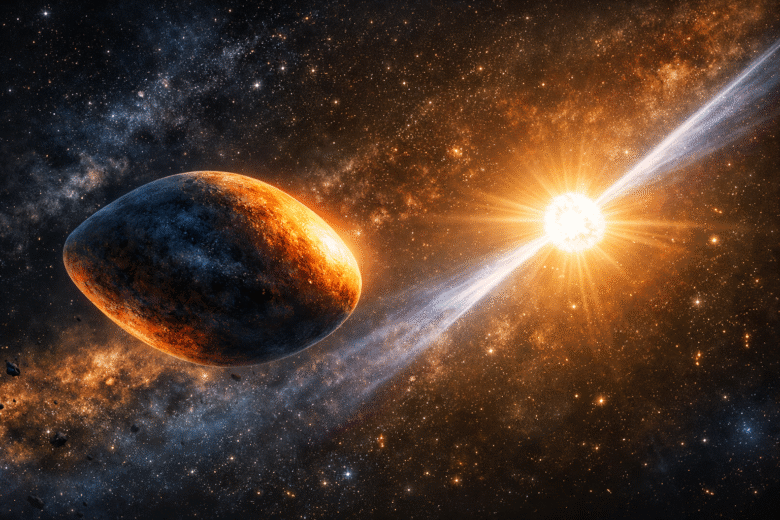
Fun fact: Not all planets are round—some are stretched so violently by gravity that they resemble lemons drifting through space. That strange truth sits at the heart of A Lemon-Shaped Planet Is Rethinking What Worlds Can Be, a story that feels less like astronomy and more like a quiet insult to our assumptions. Somewhere far …
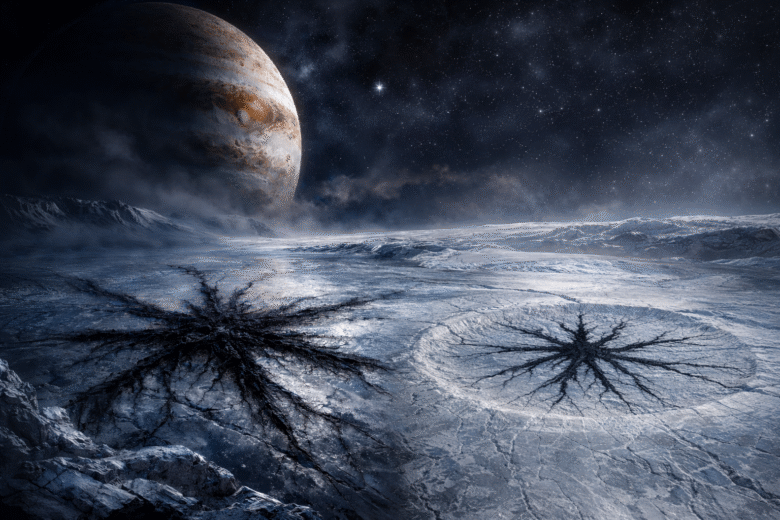
Fun fact: Europa, one of Jupiter’s moons, reflects so much sunlight that it would shine brighter than Earth’s Moon if it orbited our planet. Every few years, space throws us an image that looks like it belongs in a horror film rather than a science journal. This time, it was a strange, branching shape on …
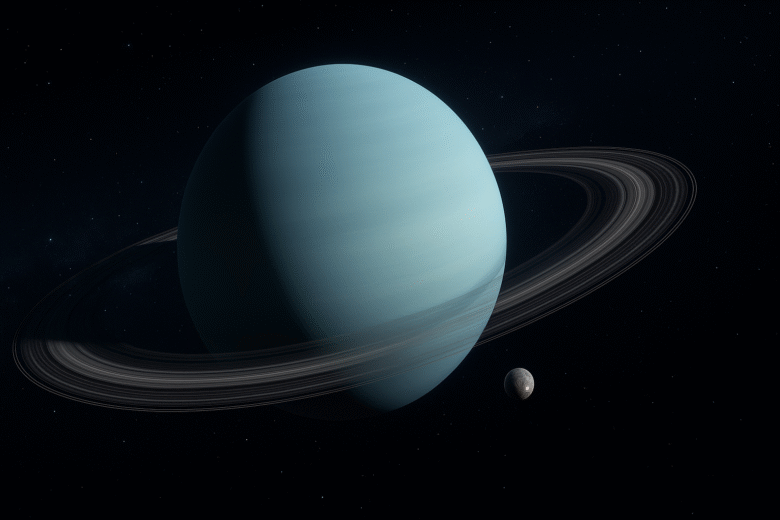
Fun fact: Uranus is so tilted that it practically rolls around the Sun on its side—and now, thanks to modern space science, it has one more moon rolling with it. Every once in a while, space throws us a surprise that feels almost personal—like a reminder that even in a predictable universe, something unexpected is …
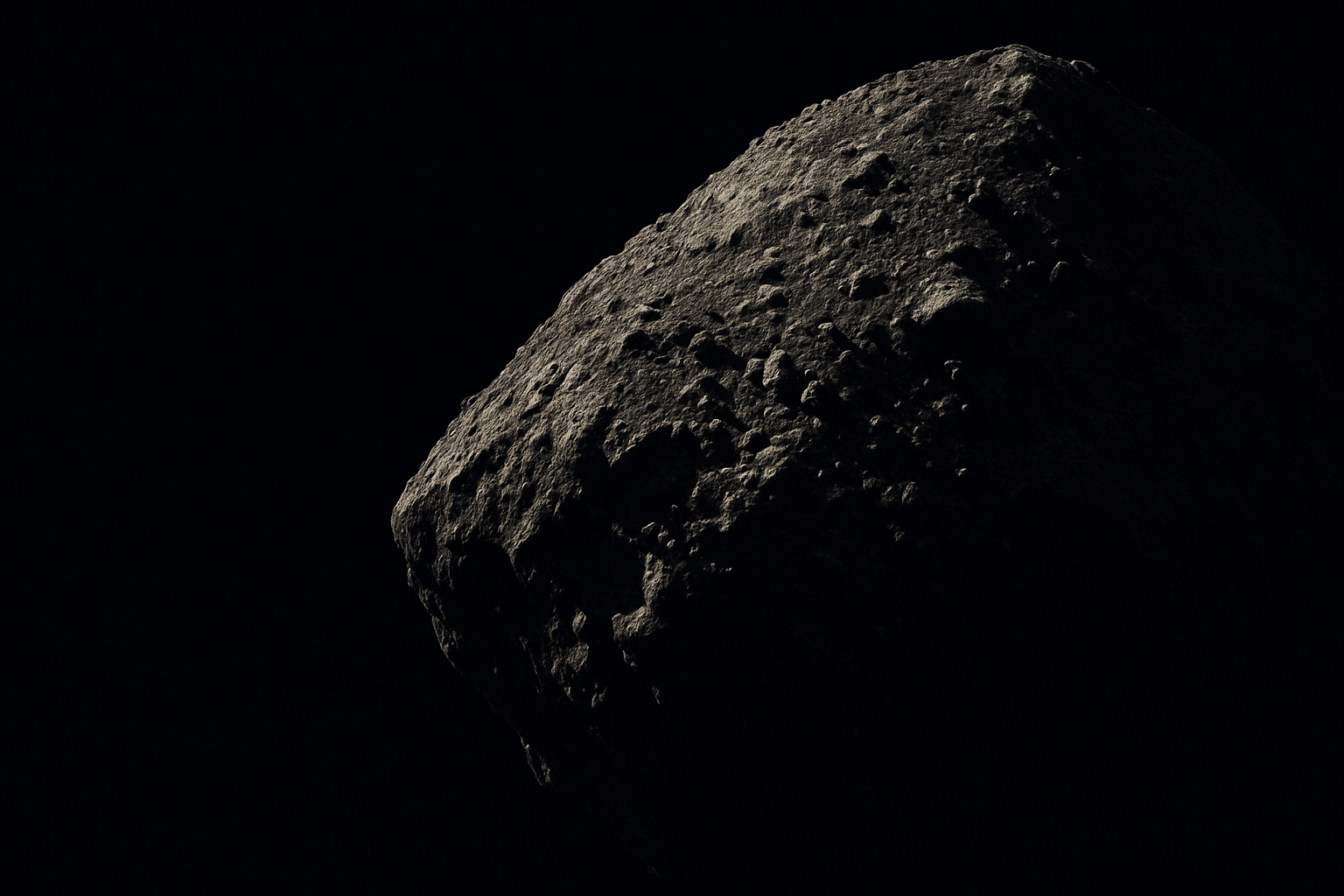
Fun fact: Scientists have now confirmed that an asteroid floating millions of kilometres away contains all five nucleobases—the same chemical letters that spell out life on Earth. There are moments in science when the universe seems to quietly tap us on the shoulder and whisper, You’re not as special as you think. The recent discovery …
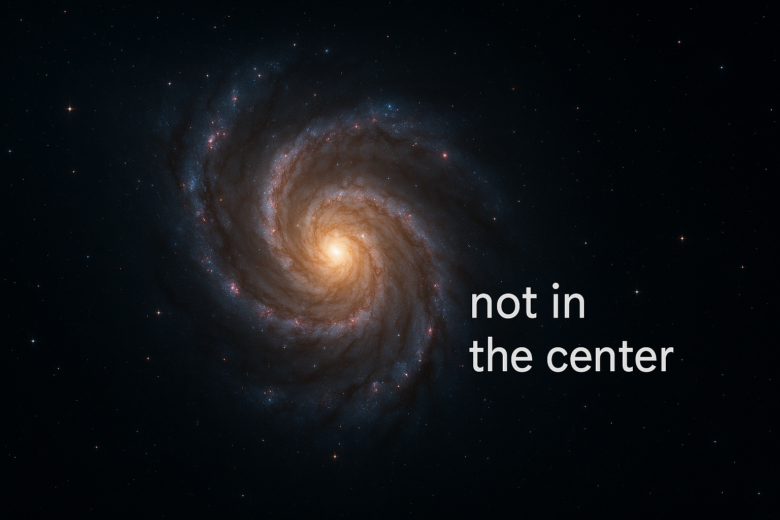
Fun Fact: If you could ride a beam of light, you’d never hit the “edge” of the universe—because it doesn’t have one. The idea that the universe has no centre might sound like a philosophical riddle or a Zen koan, but it’s a scientific reality. And it’s one that flips our human instincts upside down. …
Fun Fact: If you could ride a beam of light, you’d never hit the “edge” of the universe—because it doesn’t have one. The idea that the universe has no centre might sound like a philosophical riddle or a Zen koan, but it’s a scientific reality. And it’s one that flips our human instincts upside down. …

In the quiet reaches of space, radio astronomers are tirelessly listening to signals that help us understand the universe. They study everything from distant stars to the mysterious echoes of the Big Bang. But today, this silent work is being disturbed by a new kind of interference. The rise of satellite constellations, such as Elon …
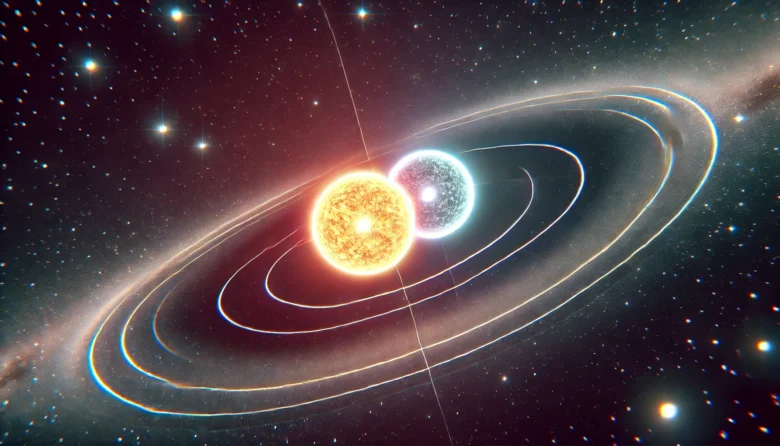
Imagine looking up at the night sky and realizing that some of those tiny twinkling stars aren’t single stars at all but pairs of stars dancing around each other. These are called binary star systems, and they’re far more common in the universe than you might think. In fact, about half of all stars are …
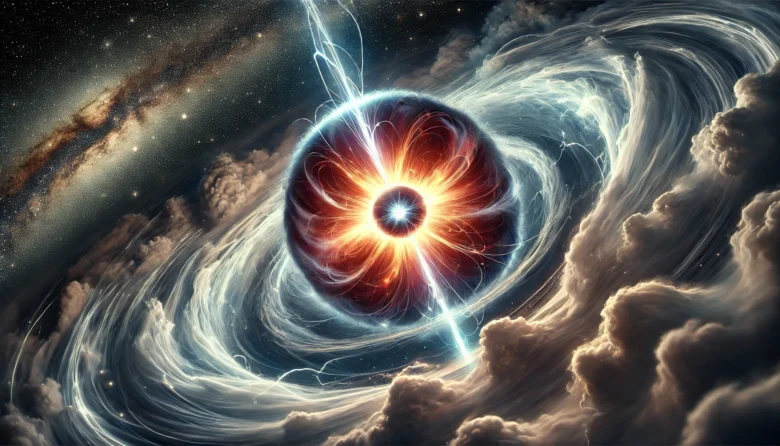
In the grand tapestry of the cosmos, few objects are as fascinating and mysterious as neutron stars. These remnants of massive stars are incredibly dense and compact, packing more mass than our Sun into a sphere just a few kilometres wide. In this blog, titled “The Structure and Function of Neutron Stars,” we will explore …
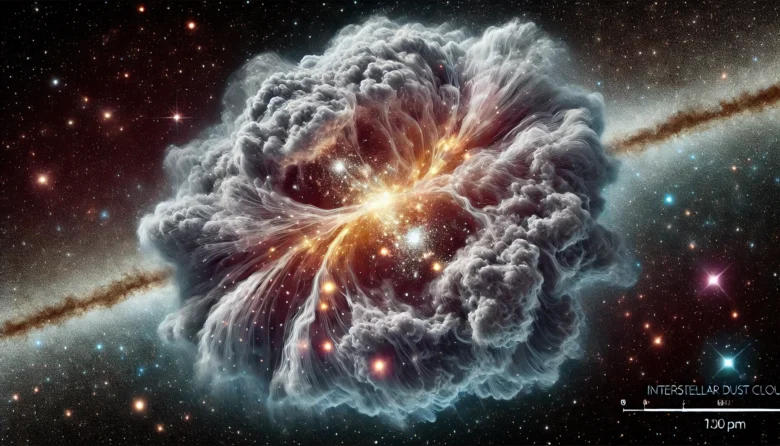
When you think of outer space, what comes to mind? Perhaps vast emptiness, twinkling stars, or distant galaxies? But space isn’t as empty as it might seem. In fact, it’s filled with a fascinating mixture of gas, dust, and cosmic particles that play a crucial role in the universe’s ongoing evolution. One of the most …