Zillennials: Too Cool (or Too Confused) Between Two Worlds
Fun fact: the word “Zillennials” did not exist fifteen years ago — but today, thousands of young adults proudly (or nervously) claim it as their identity.
If you have ever rewound a cassette tape with a pencil and also learned to swipe before you could legally vote, welcome to the club. This is the world of “Zillennials: Too Cool (or Too Confused) Between Two Worlds.” Not quite Millennials. Not fully Generation Z (often shortened to Gen Z, meaning Generation Z). Somewhere in between. And perhaps that “in-between” is exactly what makes this micro-generation fascinating.
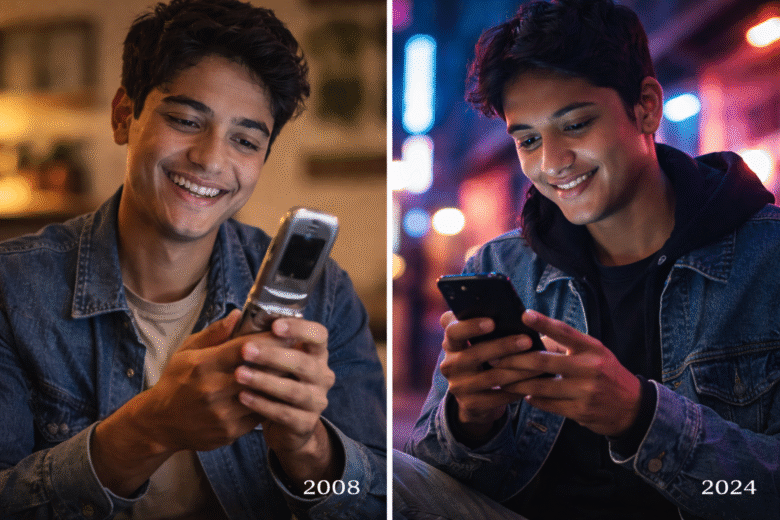
Zillennials are generally those born in the mid-to-late 1990s. They remember dial-up internet. They survived Orkut. They witnessed the rise of Facebook (a social media company that connects people online). They matured with Instagram (a photo and video sharing platform owned by Meta, a global technology company that builds social media products). And they now scroll TikTok (a short-form video platform owned by ByteDance, a technology company based in China) with the fluency of Gen Z.
But here is the real question: are Zillennials too cool for labels — or secretly confused by belonging to two cultural timelines at once?
The Last Analog Childhood
Zillennials are often described as the last group to have a mostly “offline” childhood and a fully “online” adulthood.
They played outside without tracking apps. They passed handwritten notes in class. They used landlines. Yet by the time they entered college, social media had already rewritten the rules of identity. Personal brands replaced personality. Likes became social currency.
Millennials grew up with the internet slowly unfolding. Gen Z grew up with it fully formed. Zillennials grew up watching it mutate in real time.
That creates a strange tension. They remember a world before constant comparison — but they now live inside it. They understand nostalgia deeply, yet they are fluent in irony.
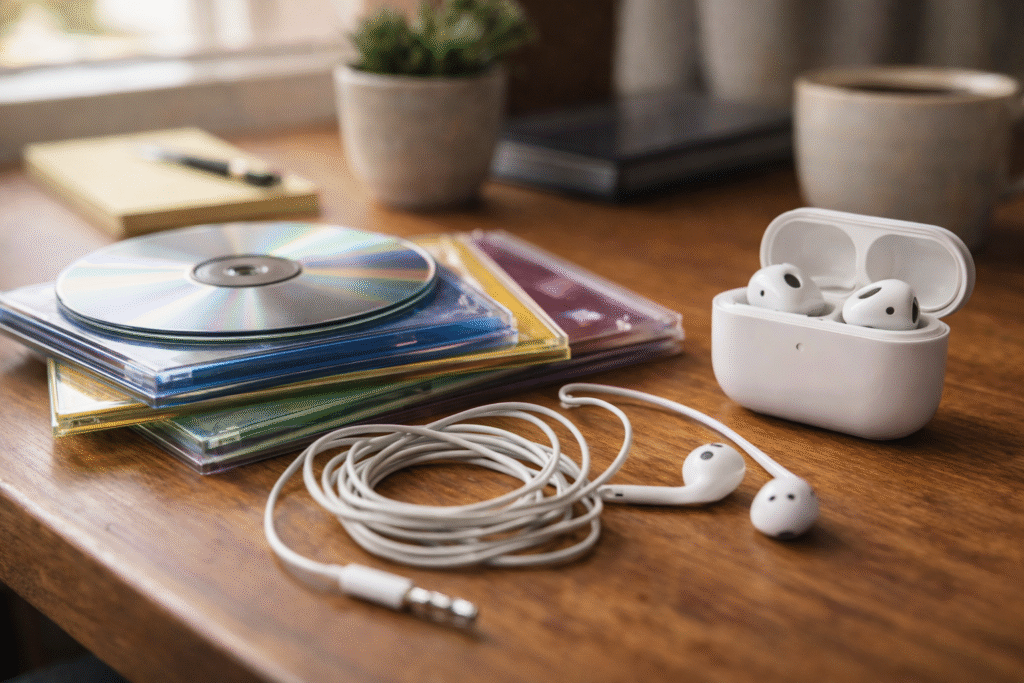
Ask a Zillennial about their teenage years, and you might get references to early YouTube (a video-sharing platform owned by Google, a multinational technology company specializing in internet services), Nokia ringtones, or Bollywood songs burned onto compact discs. Ask them about their present life, and they will talk about algorithms, burnout, and digital fatigue.
It is not confusion. It is cultural whiplash.
Fluent in Two Digital Dialects
One of the most interesting things about Zillennials is their ability to translate between Millennials and Gen Z. Millennials may use emojis sincerely. Gen Z uses them ironically. Zillennials understand both languages.
Millennials value stability. Gen Z questions systems. Zillennials crave purpose but still feel the pressure to “settle down.” They remember when hashtags were tools for search. Now they are identity markers. They grew up believing in corporate ladders and now watch friends choose freelance careers, remote work, or content creation.
They can explain memes to their older cousins and financial anxiety to their younger siblings.
It is exhausting being bilingual in culture.
Nostalgia as Personality
If you look closely, you will see that Zillennials are the kings and queens of curated nostalgia.
They romanticize early 2000s fashion. They revisit childhood cartoons. They post throwback photos not just for memory — but for meaning.
Why? Because nostalgia offers stability in a world that feels unstable.
Millennials believed in the promise of steady growth. Gen Z often believes the system is broken. Zillennials grew up expecting one thing and inheriting another. Economic uncertainty, job competition, and the rapid shift from traditional careers to gig work shaped them early.
When you have seen the rules change twice before age thirty, you start holding onto the past as a soft landing. It is not regression. It is emotional survival.
Too Serious for Gen Z, Too Playful for Millennials
Here is where it gets interesting. Gen Z is often seen as bold, hyper-aware, politically outspoken. Millennials are often labeled as idealistic and burdened by debt.
Zillennials sit awkwardly in between. They are self-aware but less performative. They are ambitious but cautious. They believe in mental health conversations but also believe in resilience.
They are the first group to normalize therapy talk in friend circles — but also the first to joke about burnout before admitting it hurts. They know how to be ironic without being detached.
In India especially, Zillennials experienced rapid cultural shifts: affordable smartphones, cheap data plans, and a booming social media economy. They witnessed how quickly youth culture moved from cable television to streaming platforms. Companies like Netflix (a global streaming service offering films and series online) and Amazon Prime Video (a subscription-based streaming service from Amazon, an e-commerce and technology company) reshaped how stories are consumed.
Zillennials adapted quietly.
The Career Paradox
Zillennials were raised on advice that no longer works.
“Get a stable job.”
“Stay loyal to one company.”
“Buy a house early.”
But they entered adulthood during economic uncertainty. Many started working just as remote work normalized. Corporate structures felt rigid, yet freelance life felt unstable. They are not anti-work. They are anti-empty-work.
They want meaning — but also financial security. They want flexibility — but also structure. They are not confused; they are negotiating. And maybe that negotiation is the most honest reaction to a changing world.
So, Too Cool or Too Confused?
Perhaps the wrong question has been asked. Zillennials are not confused about who they are. They are simply aware that identity is fluid.
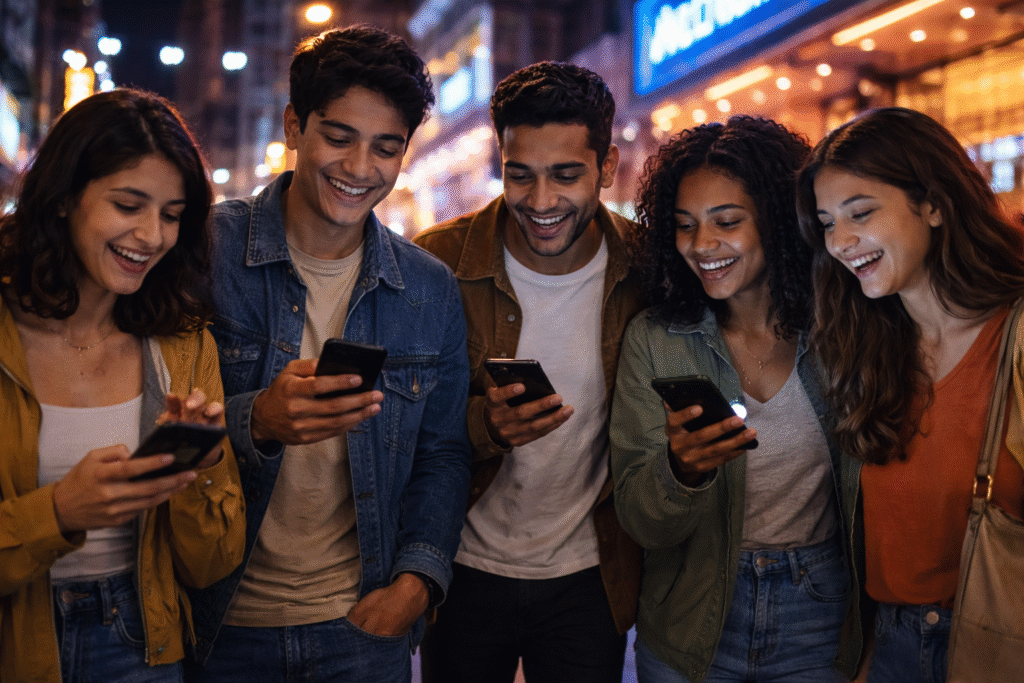
They can hold contradiction without panic. They can miss the past and embrace the future. They can enjoy irony without losing sincerity. In a time when every generation gets turned into a stereotype, Zillennials quietly refuse neat categorization.
And maybe that is their real superpower. They are the cultural bridge. They are the last to remember slow internet — and the first to master digital speed.
They are not between two worlds. They are proof that the world was never just one thing.
Conclusion: The Bridge Generation
The idea of “Zillennials: Too Cool (or Too Confused) Between Two Worlds” is less about age and more about adaptation. Every generation thinks it is unique. But Zillennials carry something rare: lived memory of transition. They remember how things were — and understand how quickly they change.
In a society obsessed with labelling, perhaps the healthiest identity is one that refuses rigid borders. Instead of asking whether Zillennials are confused, maybe we should ask what they can teach us about flexibility, balance, and cultural translation.
After all, the future may belong to those who are comfortable standing in two timelines at once.
Author’s Note
I wrote this because I see this micro-generation every day — in conversations, in quiet ambitions. They do not shout their identity. They negotiate it. Writing about Zillennials felt important because they remind me that growth is rarely linear. Sometimes, living between two worlds is not confusion. It is wisdom in disguise.
G.C., Ecosociosphere contributor.