Did you know the average person spends nearly six months of their life waiting at traffic signals alone? The strange thing is, many people now feel like they are waiting through their entire lives, too.
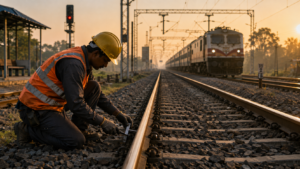
There was a time when waiting had boundaries. You waited for a train. You waited for exam results. You waited outside a doctor’s office while flipping through old magazines. Then life moved again.
Modern life feels different. The waiting never seems to end anymore. People are waiting for replies, waiting for promotions, waiting for stability, waiting to “finally feel okay,” waiting for weekends, waiting for money, waiting for motivation, waiting for the version of life they were promised would eventually arrive if they worked hard enough.
And somewhere along the way, many people stopped actually living in the present and started mentally living in the “after.”
After the next salary increase.
After marriage.
After the degree.
After the move.
After things calm down.
But things rarely calm down now.
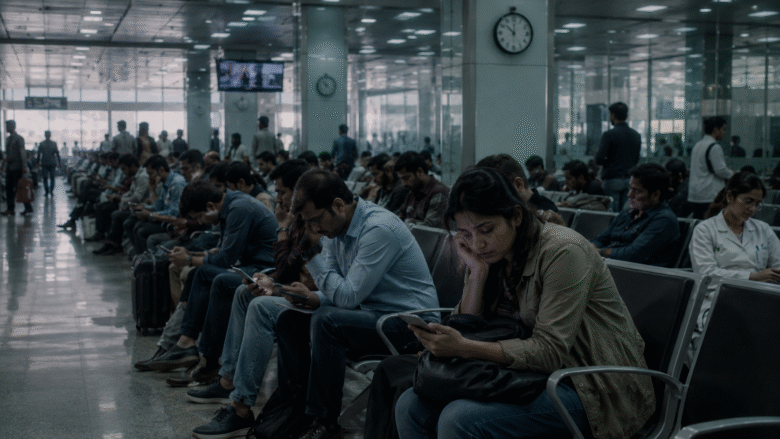
Modern society has quietly turned life into a giant airport lounge where everyone is staring at screens hoping their real life will finally be announced.
The strange part is how normal this has become. Ask people how they are doing, and many respond with future tense sentences. “Just trying to get through this month.” “Things should improve after this project.” “Once I settle down, I’ll focus on myself.” Even happiness has become delayed maintenance.
Part of this comes from the economic reality people are living in. Stability itself feels postponed. Previous generations often had clearer timelines. Job. House. Family. Retirement. It was not perfect, but at least the road looked visible. Today, many young adults work constantly while still feeling financially temporary. A person can have a degree, a full-time job, and still feel one emergency away from collapse.
The result is psychological limbo.
People are physically adults but emotionally feel like their lives have not properly started yet.
Social media has made this worse in a very specific way. Platforms like Instagram, the photo and video sharing platform owned by Meta, constantly expose people to edited snapshots of success happening somewhere else. Someone is launching a startup at twenty-two. Someone is travelling through Europe. Someone is getting married. Someone is buying property. Someone always appears to be arriving while you remain stuck in transit.
And because the internet never sleeps, the comparison never stops either.
People once compared themselves to neighbours. Now they compare themselves to millions.
This creates a dangerous emotional atmosphere where ordinary progress starts feeling invisible. Quiet lives begin to look like failed lives. A stable but unremarkable Tuesday feels meaningless because the modern world rewards visible milestones, not internal peace.
Even entertainment now feeds the waiting mindset. Streaming culture encourages people to binge-watch entire seasons just to “get through the week.” Work culture glorifies surviving rather than living. Productivity influencers talk about morning routines with military intensity, as if human beings are broken machines constantly awaiting upgrades.
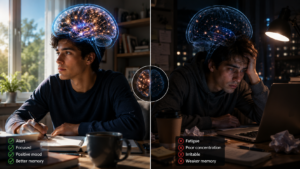
Meanwhile, exhaustion quietly becomes a personality trait.
You can see it everywhere. People refreshing email inboxes hoping for opportunities. Students waiting for entrance exam results that feel large enough to define their worth. Employees staring at office clocks at 4:47 PM like prisoners counting final minutes. Young couples waiting until they are “financially secure enough” to enjoy life, only to discover the goalpost moved again.
The waiting expands into everything.
Even relationships feel suspended now. People leave messages on “seen” for hours while others sit anxiously decoding silence. Emotional availability has become inconsistent because everyone seems psychologically overloaded. Many conversations today feel temporary, half-attentive, unfinished. It is difficult to build presence in a culture obsessed with what comes next.
There is also a deeper issue underneath all this: modern life keeps promising arrival without defining where arrival actually is.
For decades, people were told that happiness would come through achievement. Study hard. Work hard. Optimize yourself. Build your personal brand. Stay competitive. Keep improving. But nobody explains what happens when self-improvement quietly becomes self-surveillance.
People are now constantly measuring themselves.
Am I successful enough?
Interesting enough?
Productive enough?
Visible enough?
The human mind was never designed to live under permanent evaluation. Yet digital culture transformed life into a continuous performance review. Even rest often feels guilty now because resting delays progress toward the next checkpoint.
This is why so many people struggle to enjoy simple moments. They are physically present but mentally waiting for the next phase of life to begin. A family dinner becomes background noise to future anxiety. A walk outside becomes another opportunity to listen to productivity podcasts. Even vacations are sometimes treated less like rest and more like content creation.
The endless waiting room mentality steals something subtle but important: emotional ownership of the present.
And perhaps that is why people increasingly feel numb despite constant stimulation. Human beings need moments that feel complete in themselves. Not every experience can exist only as preparation for another experience. A life entirely built around anticipation eventually becomes emotionally hollow.
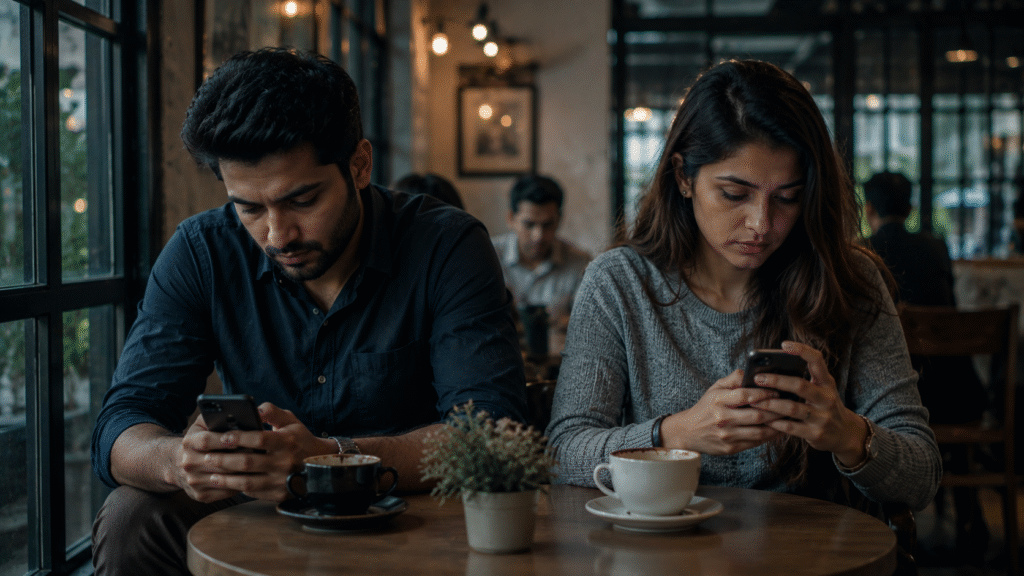
Ironically, some of the happiest people today are not necessarily the most successful ones. They are often the people who learned how to interrupt the waiting. People who can sit with tea without turning it into a productivity hack. People who can enjoy friendships without documenting them online. People who stopped treating life like a loading screen.
That sounds simple, but in modern culture, it is almost rebellious.
Because the system benefits from restless people. Restless people consume more. Scroll more. Compare more. Work more. Buy more self-help products. Chase more upgrades. Permanent dissatisfaction has become economically useful.
But human beings cannot endlessly postpone themselves without consequences.
At some point, a person has to ask a frightening question: What if life is not happening later? What if this is actually it?
Not the polished future version. Not the someday version.
This.
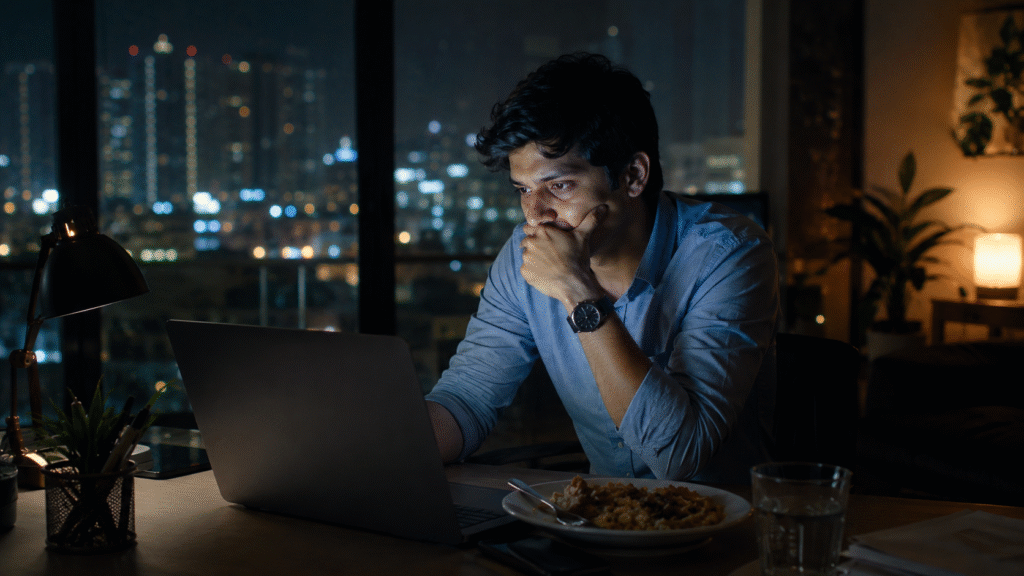
This ordinary Tuesday evening.
This unfinished conversation.
This tired body.
This imperfect life.
Maybe the real tragedy is not that modern life feels difficult. Every era had difficulties. The tragedy is that many people have become psychologically absent from their own existence while waiting for permission to finally begin living.
And maybe the only way out is to stop treating the present like a temporary inconvenience.
Conclusion
Modern life feels like an endless waiting room because society keeps teaching people to postpone meaning. Wait until success arrives. Wait until stability comes. Wait until you become a “better version” of yourself. But if people spend their entire lives waiting for life to start, they risk missing the only thing they ever truly had: the present moment itself.
Perhaps the challenge now is not learning how to move faster. Perhaps it is learning how to arrive where we already are.
Author’s Note
I wanted to write this because I notice how often people speak about life as though they are standing outside it, waiting for some invisible gate to open. Students say it. Adults say it. Even tired strangers on buses seem to carry the same unfinished feeling. Maybe writing still matters because it reminds people to pause long enough to notice what modern life keeps rushing them past. Sometimes awareness itself is a small form of resistance.
G.C., Ecosociosphere contributor.
References and Further Reading
- World Health Organization – Mental Health and Well-Being
- HelpGuide – Social Media and Mental Health
- Harvard T.H. Chan School of Public Health – Social Media and Mental Health
- Stanford Law – Social Media Addiction and Mental Health
- The New Yorker – Burnout: Modern Affliction or Human Condition?
- The Guardian – Phones and the Hidden Damage to Mental Health