
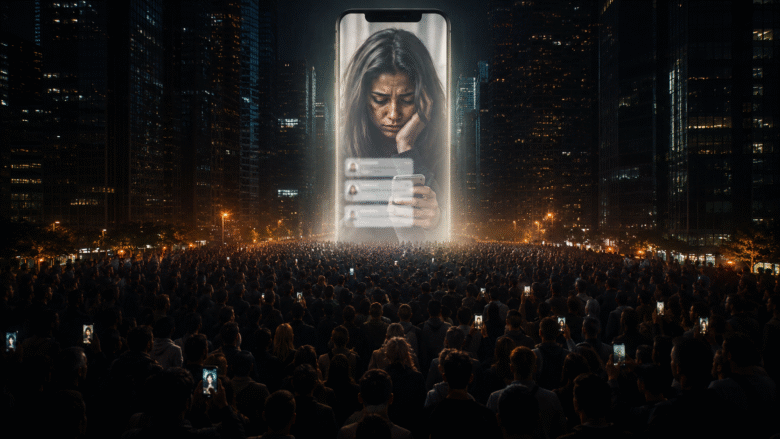
A study published by researchers at Harvard University found that outrage spreads faster online than many positive emotions because anger makes people feel morally important for a brief moment.
A few years ago, humiliation was local. Someone embarrassed themselves in a classroom, office, or family gathering, and eventually, life moved on. Today, humiliation has become a spectator sport. One awkward sentence, one badly timed joke, one old tweet, one emotional meltdown caught on camera — and suddenly millions of strangers gather like an online crowd around a public execution.
The internet did not invent cruelty. But it industrialized it.
Every week, someone becomes “the main character of the internet.” Sometimes they deserve criticism. Sometimes they genuinely caused harm. But increasingly, the punishment no longer matches the mistake. The internet does not simply want accountability anymore. It wants collapse. It wants tears, unemployment, apologies, isolation, and social exile. And disturbingly, many people enjoy watching it happen.
That is the uncomfortable truth underneath modern internet outrage: public humiliation has quietly become entertainment.
Social media platforms like TikTok, the short-video platform owned by the Chinese technology company ByteDance, and X, the social media platform formerly known as Twitter, reward emotional intensity because outrage keeps people scrolling. Calm conversations do not go viral nearly as fast as destruction does. Nuance cannot compete with humiliation. A balanced discussion rarely receives the same attention as a digital pile-on.
And somewhere along the way, ordinary people became audiences for human breakdowns.
Watch how quickly a scandal spreads online. A clip appears. Context disappears. Thousands react within minutes. Millions judge within hours. Memes appear before facts do. People who know nothing about the situation suddenly speak with complete certainty. Strangers begin investigating someone’s job, family, old photos, and personal life. What starts as criticism transforms into collective hunting.
The terrifying part is how normal this now feels.
People no longer consume outrage accidentally. They wait for it. Internet culture now runs on a cycle of exposure, humiliation, apology, backlash, and replacement. One person falls. Everyone watches. Then the crowd moves to the next target. It resembles reality television, except the contestants never agreed to participate.
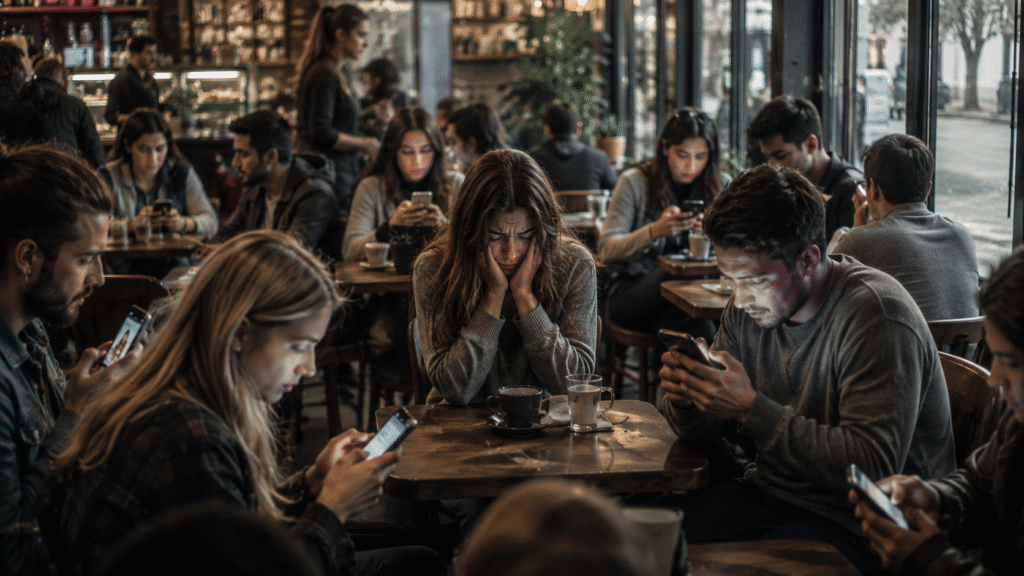
Part of the reason this happens is psychological. Public humiliation creates a strange emotional cocktail: superiority, moral satisfaction, tribal belonging, and excitement. When people collectively shame someone online, they temporarily feel united. The target becomes a symbolic villain, and attacking them feels socially rewarding.
In older societies, public punishment happened in town squares. Today, the town square has Wi-Fi.
Cancel culture became powerful partly because some institutions genuinely ignored harmful behaviour for years. Social media gave ordinary people the ability to demand accountability from celebrities, influencers, corporations, and powerful figures who previously escaped criticism. That part matters. Some public exposure has revealed abuse, exploitation, racism, harassment, and corruption that deserved attention.
But internet culture struggles with moderation. It rarely knows when to stop.
The line between accountability and entertainment has become dangerously blurry.
A person can make a foolish statement and suddenly become content. Their humiliation becomes reaction videos, podcasts, memes, commentary threads, livestream discussions, and monetized outrage. Entire online careers are now built around watching other people fail publicly. Human collapse has become profitable.
Even children are growing up inside this culture. Teenagers now fear becoming screenshots. Students are terrified that one awkward moment could become permanent digital evidence. Many young people no longer experience embarrassment as temporary. Online humiliation feels eternal because the internet never forgets.
And that changes human behaviour.
People become more performative, more defensive, and less honest. Instead of admitting mistakes openly, many people learn to hide imperfections because vulnerability online often gets weaponized. The internet constantly claims to support authenticity, but it frequently punishes people the moment authenticity becomes messy.
This culture also creates emotional numbness. After watching thousands of public humiliations online, people slowly lose sensitivity toward suffering. Someone crying during an apology video becomes meme material. A nervous public mistake becomes comedy content. Mental breakdowns become trending hashtags.
At some point, empathy started losing to engagement.
There is also another uncomfortable reality: many people participate in online humiliation because it distracts them from their own frustrations. Watching someone else fall creates temporary relief. If another person becomes the villain of the day, people momentarily escape their own anxieties, failures, insecurities, and loneliness.
That is why internet outrage often feels strangely addictive.
It offers emotional stimulation, moral certainty, and social belonging all at once. In a fragmented world where many people feel invisible, joining collective outrage makes them feel involved in something larger than themselves.
But there is a cost.
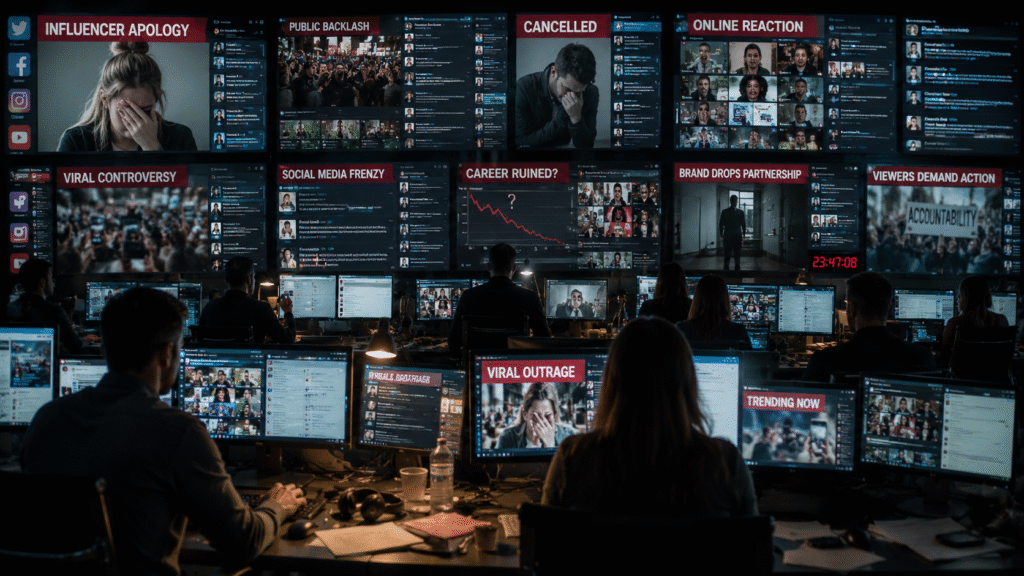
A culture addicted to humiliation eventually becomes afraid of humanity itself. Because humans are imperfect. People say stupid things. People change. People fail publicly. People mature slowly. A society that treats every mistake as permanent eventually creates citizens who are terrified to speak honestly at all.
The internet often says, “People should face consequences.” Fair enough. Consequences matter. Accountability matters. But humiliation is not the same thing as justice. Entertainment is not the same thing as morality. And cruelty does not become noble simply because it happens in the name of righteousness.
Sometimes the crowd online behaves less like a community seeking justice and more like an audience waiting for blood.
The frightening part is not that cruel people exist online. Cruelty has always existed. The frightening part is how ordinary cruelty has become. How casual it feels to laugh while someone’s life collapses publicly. How quickly compassion disappears once humiliation becomes entertaining enough.
Maybe the real question is not why public humiliation spreads online.
Maybe the real question is why watching people break has become so emotionally satisfying for so many of us.
And what that says about the kind of society we are slowly becoming.
Conclusion
The internet promised connection, but too often it rewards destruction. Public humiliation has become entertainment because outrage travels faster than empathy, and crowds are easier to build around anger than understanding. Accountability is necessary in any society, but when punishment becomes spectacle, something human gets lost along the way.
Perhaps the next evolution of digital culture is not learning how to speak louder online, but learning when to stop turning human mistakes into public theatre. Because one day, the crowd may move on from somebody else and stop in front of us.
Author’s Note
I wrote this because modern outrage no longer feels rare. It feels scheduled. Every week, another person becomes a headline, a meme, or a warning. As someone who spends much of the day around students, I keep wondering what it does to young minds when humiliation becomes a form of entertainment. Writing sometimes feels like slowing down a noisy moment long enough to actually examine it. And maybe that still matters.
G.C., Ecosociosphere contributor.


Comments
What a great resource. I’ll be referring back to this often.