

Fun fact: In 2018, the United Kingdom appointed a Minister for Loneliness—believed to be the first of its kind in the world—because studies showed that over 9 million Britons often or always felt lonely. Many of them lived in large cities. When we think of loneliness, we imagine empty houses, isolated rural villages, or quiet …
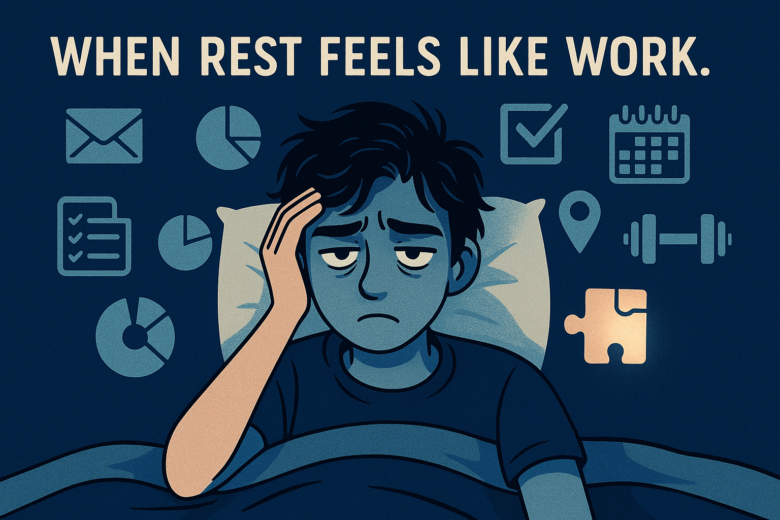
Fun Fact: According to a 2025 Deloitte survey, 40% of Gen Z and 35% of millennials report feeling stressed all or most of the time, highlighting the pervasive nature of burnout among younger generations. You’ve finished your work, closed your laptop, and lit a candle. Maybe you’ve queued up a meditation app, made some tea, …

Fun fact: Just two minutes of staring at something awe-inspiring—like the night sky—can lower your heart rate and reduce stress hormones. It’s a feeling we’ve all experienced: that sudden intake of breath when you see a waterfall crash into a canyon, hear a powerful symphony, or look up at a starlit sky. Goosebumps. A lump …
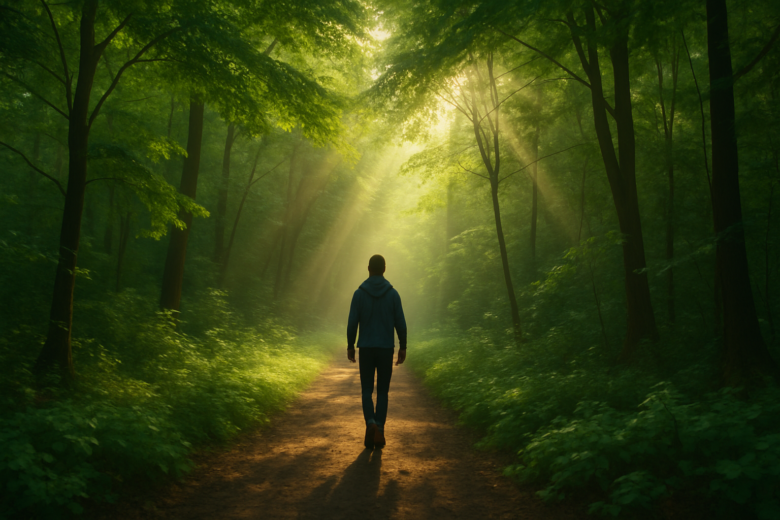
Fun Fact: Just 90 minutes of walking in nature can reduce activity in the part of your brain linked to depression. In an age where screens dominate our attention and concrete defines our surroundings, the idea that a simple walk in the woods can literally rewire your brain may sound far-fetched. But the science is …

Fun fact: The term “toxic positivity” saw a 450% spike in Google searches after the 2020 pandemic lockdowns — turns out, forced cheerfulness isn’t comforting during a global crisis. Introduction: When Positivity Becomes a Problem In a world that constantly tells us to “look on the bright side” and “stay positive,” it’s no surprise that …

Did you know that loneliness is associated with a 29% higher risk of heart disease and significantly increased healthcare expenses globally? Loneliness, often perceived as an emotional or social issue, has profound economic implications that many overlook. It’s more than just a feeling; it’s a hidden cost to society that affects productivity, healthcare systems, and …

Did you know? Studies show that spending just 20 minutes in a green space can significantly reduce cortisol levels, the stress hormone. As urban areas continue to expand, the availability of open green spaces in cities often takes a backseat to new developments, higher buildings, and wider roads. Yet, these urban green spaces—parks, gardens, tree-lined …
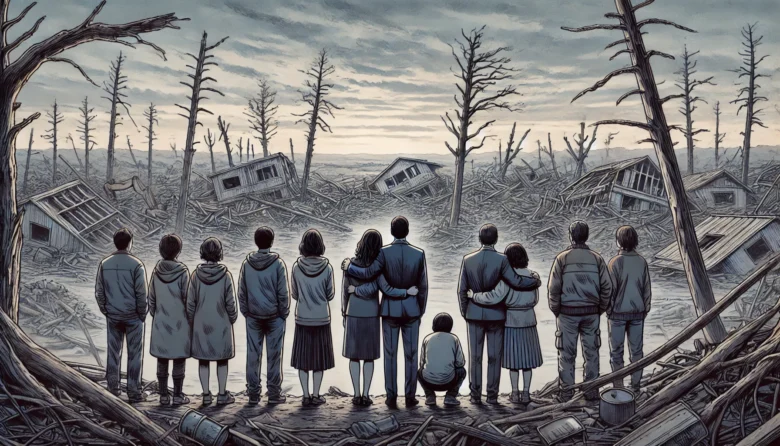
Climate change is often seen as an environmental issue. But it’s also having a huge impact on something closer to home: our mental health. From increasing temperatures to a rise in natural disasters, the effects of climate change extend beyond ecosystems and polar bears—they’re affecting people’s minds, moods, and overall well-being. In this blog, we’ll …
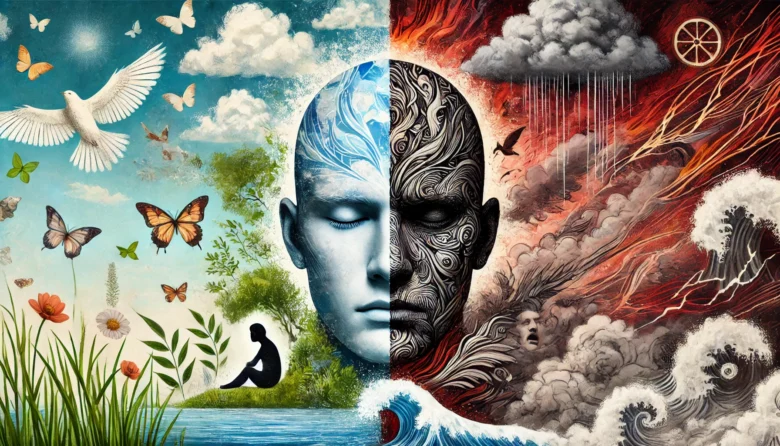
Fun Fact: Did you know that short-term stress can actually boost your immune system? However, long-term stress can have the opposite effect! Stress is a universal experience, and whether it’s dealing with work deadlines, personal relationships, or health issues, we’ve all been there. But have you ever wondered how stress affects both your physical and …
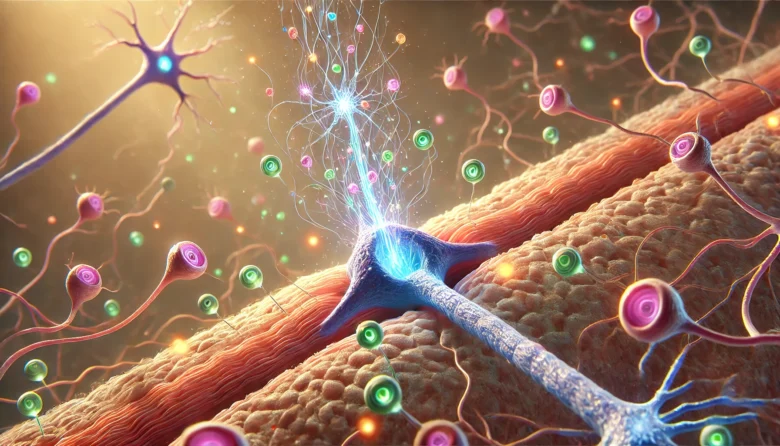
Our brains are like a vast control centre, processing information, regulating emotions, and even directing our physical movements. But have you ever wondered how all this happens? The answer lies in the chemistry of neurotransmitters—tiny molecules that act as messengers between the brain’s nerve cells or neurons. In this blog, we’ll explore how neurotransmitters function, …